
Lynsi's Local Beat: Fort Griffin to host astrophotography workshop
By Lynsi Perry Musselman
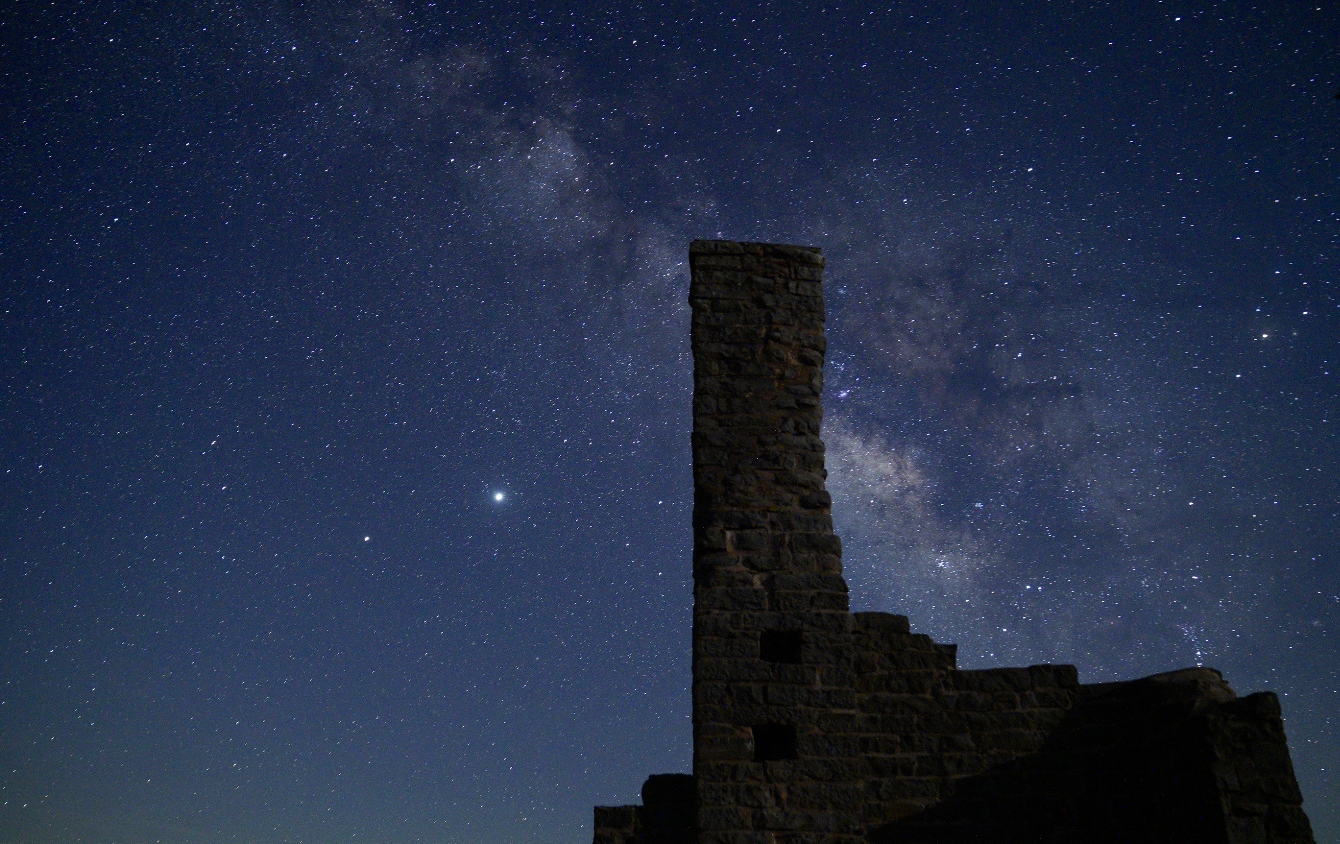
Speaking of dramatic objects from the sky, Albany’s Fort Griffin Historic Site boasts some astounding night sky views. Visitors to the site have described seeing clear celestial objects such as planets, constellations, and even some meteor showers. In recent years, and with the evolution of high powered equipment for the layman, the hobby of astrophotography has skyrocketed.
Taking it up a notch, Fort Griffin Historic Site will be hosting a two-day and two-night Milky Way Photography Workshop starting tomorrow, March 28 through Saturday, March 29. Assistant Site Manager Eric Abercrombie said photographers will have classroom time during the day to learn techniques and guidance on how to capture the best images, and then have the opportunity to put their new skills to the test when it is dark, typically around 2:00 to 3:00 a.m.
Professional photographer Lynn Cromer, from the Metroplex, will teach the class this weekend. Abercrombie explained that the class fills up quickly but sometimes there are a few spots open for last minute reservations. “The class is a great opportunity to go deep into the process even for beginners,” said Abercrombie. He noted that a basic digital single-lens reflex (DSLR) camera, or one that is mirrorless, is all one needs for astrophotography.
Fort Griffin, located at 1701 N. U.S. Hwy 283, 14 miles north of Albany, lies in a remote location from minimal light making nighttime sky viewing optimal. “Fort Griffin is on a two of the Bortle dark-sky scale,” said Abercrombie.
The Bortle Scale is a nine-level numeric scale to measure the night sky’s brightness of a particular location. The lower the number, the darker the sky allowing less light obstruction from viewing planetary objects. Big Bend area is the only place in Texas that rates as a 1.
A few local astrophotographers have mentioned the installation of radio towers and windmills have created some light pollution to the site over the last decade. Abercrombie explained that the Milky Way is in the eastern part of the sky and the windmills are to the north to northwest. “There are ways to block out the light too, by putting many of the great objects at Fort Griffin in the foreground to help minimize the impact from the light,” said Abercrombie. He also mentioned the lights sometimes create a cool effect to the background of the night-time photos.
“Most workshop attendees are part of photo clubs from all over and stay in Albany overnight, or the park has RV hookups in an astronomy viewing area,” explained Abercrombie. He also said anyone can make a reservation to come camp out or come to the site on their own to take photos or stargaze. According to local photographers, the moonless nights in June are the optimal time for astrophotography.
Fort Griffin Historic Site is a destination for more than just astrophotography. The site is home to the Official State of Texas Longhorn Herd. You can camp and fish along the Clear Fork of the Brazos river, and hike or explore the site’s restored ruins from the days when it was a US Calvary fort in the mid-nineteenth century. The area just north of the site was known as the “the flat” and was host to some of the most notorious characters of the Wild West. This area in our own backyard is a treasure-trove of activities and learning.
Visit or call 325-762-3592, the visitor center for more information to plan your time at the site. The center is located at the site on U.S. Hwy 283 and is open daily from 8:00 a.m. to 4:30 p.m.
